Fundamentals & Overview
The Ultimate Guide to Texas One-Time Close Construction Loans
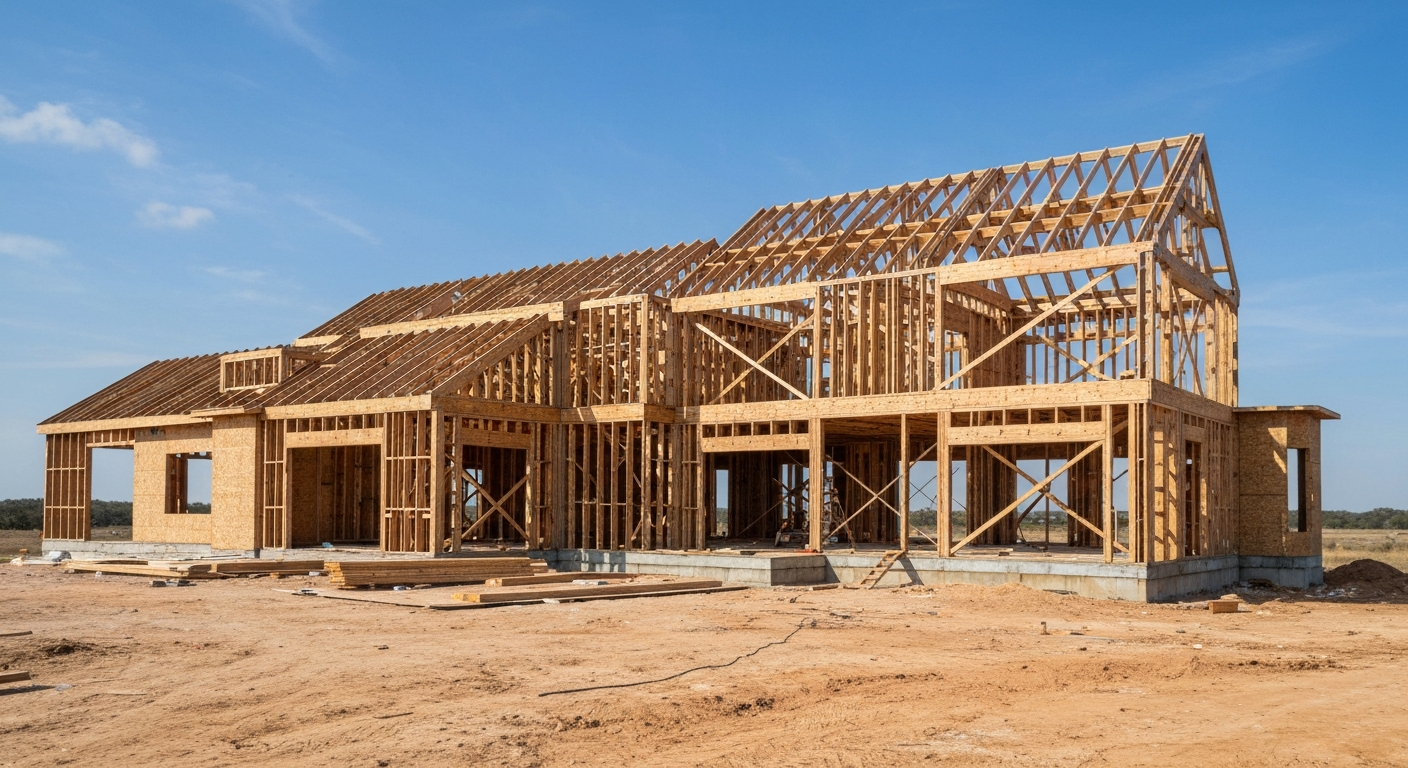
Introduction: The Premier Financing Vehicle for Custom Homes
Building a luxury custom home in Texas—whether it is a sprawling estate in Preston Hollow, a modern masterpiece in West Lake Hills, or a lakeside retreat at Cedar Creek Lake—is one of the most rewarding endeavors you can undertake. However, navigating the financial complexities of land acquisition, builder contracts, and multi-million dollar construction budgets can be daunting. Enter the Texas One-Time Close Construction Loan.
This comprehensive, 3,000+ word guide is designed to be the definitive resource on Texas One-Time Close Loans. It will walk you through every nuance of the process, from understanding how the loan structure differs from traditional financing, to the intricacies of the jumbo market, builder approvals, draw schedules, and construction contingencies. By the end of this guide, you will have a masterful understanding of how to seamlessly finance your legacy estate.
Chapter 1: What is a Texas One-Time Close Construction Loan?
At its core, a Texas One-Time Close (OTC) Construction Loan is exactly what it sounds like: a single loan that finances the purchase of your lot, covers the hard and soft costs of building your custom home, and automatically converts into your permanent mortgage once construction is complete. You go to the closing table exactly once, before the first shovel hits the dirt.
The Flaws of the Traditional "Two-Close" Method
Historically, building a home required two separate financial transactions. First, the borrower would secure a short-term, interest-only construction loan. This loan typically lasted 12 to 18 months and carried a variable interest rate. Once the home was finished and the Certificate of Occupancy was issued, the borrower had to apply for a brand new "end loan" (the permanent mortgage) to pay off the construction loan.
This traditional two-close method presents massive risks and inefficiencies:
- Duplicate Closing Costs: You pay for two appraisals, two title policies, two sets of attorney fees, and two origination charges. On a $3 million build, duplicate closing costs can easily exceed tens of thousands of dollars.
- Interest Rate Risk: When you take out the initial construction loan, your permanent mortgage rate is floating. If the Federal Reserve raises rates during your 18-month build, you are forced to accept the higher rate when you refinance at the end.
- Re-Qualification Risk: You must be re-underwritten for the permanent mortgage. If your financial situation changes—perhaps your business took a temporary dip, or your debt-to-income ratio shifted—you could be denied the permanent loan, leaving you stranded with a maturing, short-term construction loan.
The Ingenuity of the One-Time Close
The Texas One-Time Close Loan solves all of these problems simultaneously. By combining the construction phase and the permanent mortgage into a single note, you eliminate duplicate closing costs. Most importantly, your permanent interest rate is locked in upfront, protecting you from market volatility. Once the home is complete, the loan seamlessly modifies into a standard 15-year or 30-year amortizing mortgage without any additional underwriting or requalification.
Chapter 2: Navigating the Super Jumbo Construction Market
While conforming construction loans are relatively straightforward, financing a $2 million to $10+ million custom home requires specialized expertise. The "Super Jumbo" construction market operates by a different set of rules, and not all lenders or banks participate in this space.
Why the Super Jumbo Market is Different
High-net-worth individuals often have complex financial profiles. Your wealth might be tied up in restricted stock units (RSUs), K-1 business income, complex trust structures, or extensive real estate portfolios. Traditional banks often rely on automated underwriting systems that cannot accurately assess this level of complexity. Super Jumbo Texas One-Time Close Loans require manual underwriting by highly experienced credit officers who understand how to analyze global cash flow and liquidity.
Key Requirements for Jumbo OTC Loans
- Down Payment / Equity: Jumbo construction loans typically require 20% to 30% equity. However, if you already own your lot free and clear, the appraised value of the lot can serve as your equity contribution, often resulting in zero cash out of pocket at closing.
- Post-Closing Liquidity: Lenders want to ensure you have liquid reserves remaining after closing. For Super Jumbo loans, it is common to see reserve requirements of 12 to 24 months of the projected principal, interest, taxes, and insurance (PITI) payments.
- Debt-to-Income (DTI) Ratios: While standard loans might push DTI limits to 50%, Super Jumbo construction loans generally prefer a DTI of 43% or lower, though exceptions can be made based on massive compensating factors like extreme liquidity.
As a Texas mortgage expert specializing in the Super Jumbo space, Darren Davey has the exclusive lender relationships and underwriting expertise necessary to structure these complex transactions flawlessly.
Chapter 3: The Builder Approval Process
In a Texas One-Time Close Loan, the lender is not just underwriting you, the borrower; they are also underwriting your custom home builder. The lender needs absolute confidence that the builder has the financial stability, experience, and operational capacity to complete a multi-million dollar project on time and on budget.
What the Lender Looks For in a Builder
Before the loan can close, your builder must submit a comprehensive approval package. This typically includes:
- Financial Statements: Profit and loss statements and balance sheets to prove the builder is solvent and has the capital to manage cash flow between draws.
- Project History: A track record of successfully completed luxury homes of similar size, scope, and price point.
- Subcontractor and Supplier References: Proof that the builder pays their trades on time.
- Insurance and Licensing: Current general liability insurance, builder's risk insurance, and any necessary state or local registrations.
Working with established, premier luxury builders (like those featured in our Featured Communities section) makes this process incredibly smooth, as they are often already vetted and familiar with the rigorous requirements of jumbo construction lenders.
Chapter 4: Understanding the Construction Contingency
One of the most critical, yet frequently misunderstood, components of a custom home build is the Construction Contingency. Building a home is an organic process. Weather delays, supply chain issues, fluctuating material costs, and mid-construction design changes (like deciding to upgrade to imported Italian marble) are almost inevitable.
What is a Contingency?
A construction contingency is a reserve fund built into the total loan amount to cover unexpected cost overruns. For example, lenders typically require a contingency of 10% of the total hard construction costs. If your build cost is $3,000,000, a $300,000 contingency is added to the budget.
How is the Contingency Funded?
There are generally two ways the contingency is handled:
- Built into the Loan: The 10% contingency is added to the total loan amount. If you do not use the contingency funds by the time the home is complete, the remaining balance is simply applied as a principal reduction to your permanent mortgage, instantly lowering your outstanding balance.
- Held as Liquid Reserves: Instead of borrowing the contingency, the lender may allow you to prove that you have the 10% in liquid cash reserves (in addition to your standard reserve requirements) that you can tap into if overruns occur.
Having a healthy contingency protects both you and the builder, ensuring that the project does not stall if lumber prices spike or if you decide to add a custom wine cellar halfway through the build.
Chapter 5: The Draw Process and Inspections
Once you close on your Texas One-Time Close Loan, the funds are not handed to the builder in a giant lump sum. Instead, the funds are placed in a secure escrow account and disbursed in stages, known as "draws."
The Mechanics of a Draw
Your builder will submit a detailed cost breakdown and a draw schedule prior to closing. A typical luxury build might have 7 to 10 draw stages. For example:
- Draw 1: Site preparation, grading, and foundation pour.
- Draw 2: Framing and roof decking.
- Draw 3: Plumbing, electrical, and HVAC rough-in.
- Draw 4: Insulation, drywall, and exterior masonry.
When the builder completes the work for a specific stage, they request a draw. The lender then sends an independent, third-party inspector to the job site. The inspector verifies that the work has been completed to code and matches the plans. Only after the inspector signs off are the funds wired directly to the builder.
Interest-Only Payments
During the 12 to 24 months of construction, you do not pay principal and interest on the entire loan amount. You only pay interest on the funds that have actually been drawn. In month one, when only the foundation is poured, your payment is very small. As the home nears completion and more funds are drawn, your interest payment gradually increases, keeping your carrying costs manageable during the build.
Chapter 6: Lot Financing and Equity Integration
Many of Darren Davey's clients purchase their lot years before they are ready to build. The Texas One-Time Close Loan elegantly integrates land ownership into the construction financing.
If You Own the Lot Free and Clear
If you purchased a $1.5 million lot in Vaquero with cash three years ago, that lot is now your equity. When we appraise the project, the appraiser determines the "Subject to Completion" value (the value of the lot plus the proposed home). The $1.5 million value of your lot acts as your down payment, meaning you can often finance 100% of the actual construction costs without bringing a single dollar to the closing table.
If You Have a Lot Loan
If you currently have a mortgage on the lot, the Texas One-Time Close Loan will pay off the existing lot loan at closing and roll the remaining balance into the new construction loan. This consolidates your debt into one single, manageable mortgage with a locked-in rate.
Chapter 7: Texas A6 Home Equity Laws and Construction
Texas has unique and strict constitutional laws regarding home equity (often referred to as Texas A6 loans). A common question is: "Can I use a Texas One-Time Close Construction Loan to pay off an existing Texas A6 Home Equity lien?"
The short answer is No. Under Texas law, a construction loan cannot directly pay off a TX A6 home equity lien. If you have an A6 lien on a property you intend to tear down and rebuild, you must first refinance that lien into a standard Rate/Term refinance (removing it from A6 status, often via a 50(f)(2) refinance). Once the loan is no longer classified as a Texas Home Equity loan, the new construction loan can legally pay it off. Darren Davey is an expert in navigating these complex Texas-specific legal nuances to ensure your project stays compliant and on track.
Chapter 8: Preparing for Your Consultation
Securing a Super Jumbo Texas One-Time Close Construction Loan requires meticulous preparation. When you are ready to begin, you should assemble the following:
- Architectural Plans: Full set of plans and specifications.
- Builder Contract: A signed contract with your chosen builder, including a detailed line-item cost breakdown.
- Financial Documentation: Two years of tax returns, K-1s, W-2s, and current statements for all liquid asset accounts (brokerage, checking, savings).
- Deed or Purchase Contract for the Lot: Proof of land ownership or a contract to purchase the land simultaneously with the construction loan.
Conclusion: Building Your Legacy with Confidence
The Texas One-Time Close Construction Loan is the ultimate financial tool for building a luxury custom home. It mitigates risk, eliminates redundant fees, and provides unparalleled peace of mind by locking in your permanent rate before construction even begins.
However, the true value of this loan is unlocked when guided by an expert. With over 26 years of specialized mortgage experience, Darren Davey has the profound market knowledge, lender relationships, and white-glove service required to navigate the Super Jumbo construction market. Whether you are building an equestrian estate in Wildhaven, a modern marvel in Tanglewood, or a lakeside retreat at The Peninsulas, Darren ensures your financing is as flawlessly constructed as your new home.
Ready to Finance Your Custom Home?
Contact Darren Davey today to discuss your project, review your builder contracts, and secure the premier Texas One-Time Close financing for your luxury build.
Schedule a Private Consultation
Darren Davey
A luxury mortgage expert with 26 years of experience, specializing in One-Time Close construction loans and jumbo mortgages. Darren proudly serves high-value Texas markets including Dallas, Highland Park, University Park, Lakewood, Southlake, Westlake, Prosper, Celina, and McKinney, as well as Austin, San Antonio, the Hill Country, Houston, and luxury lake properties.