Financing
What is a Construction Contingency?
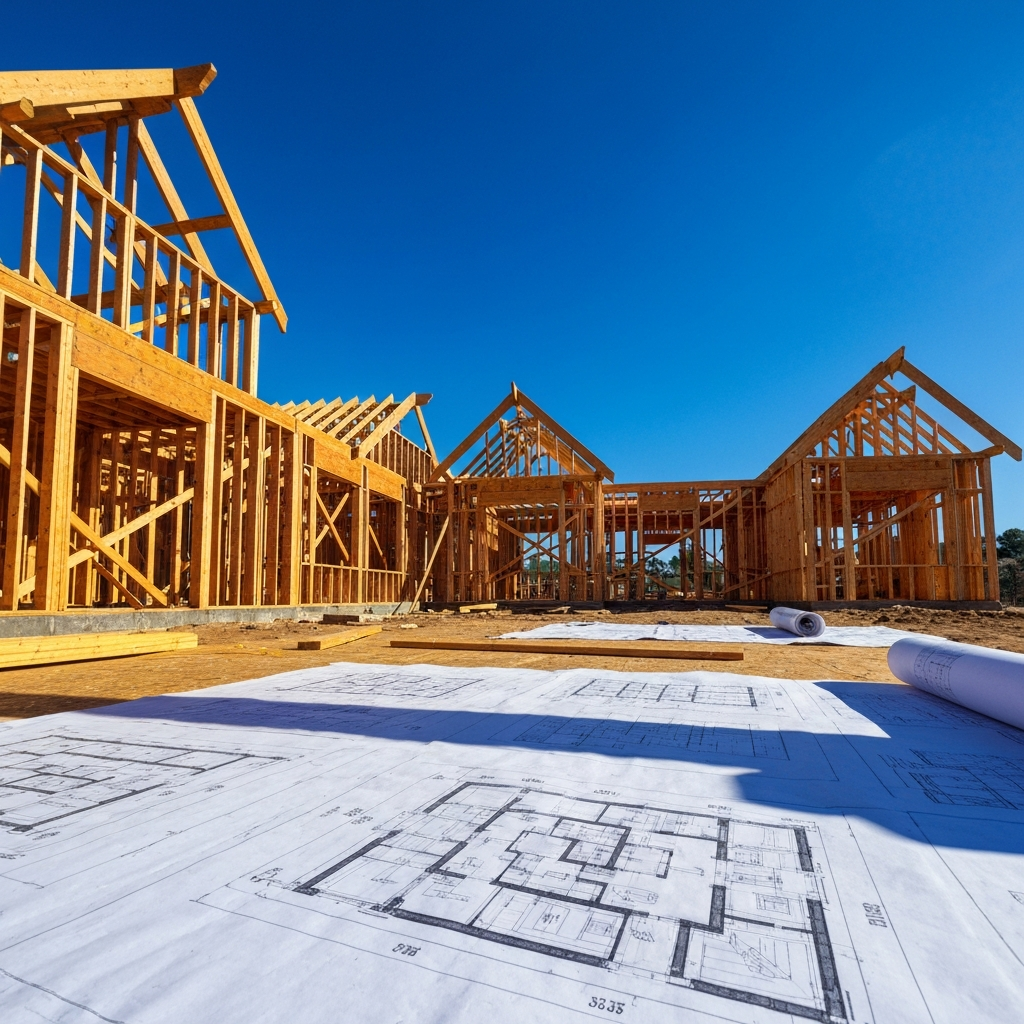
Understanding the Construction Contingency
When building a custom luxury home, even the most meticulously planned budgets can encounter unexpected surprises. Whether it's a sudden spike in material costs, a decision to upgrade to premium marble countertops midway through the build, or an unforeseen site issue during excavation, having a financial safety net is critical. This safety net is known as a construction contingency.
What is it and Why Is It Required?
A construction contingency is a reserve fund set aside specifically to cover unexpected costs or desired upgrades during the building process. When securing a Texas One-Time Close Loan, lenders typically require a contingency (often around 10%) on custom builds. This requirement isn't about padding the loan; it's about protecting you, the borrower, and ensuring your project reaches the finish line without financial stress.
Two Ways to Structure Your Contingency
There is often flexibility in how a contingency (such as a standard 10%) is structured, allowing you to choose the option that best fits your financial strategy:
1. Built Into the Builder's Budget
The most common approach is to have your builder include the required contingency (e.g., 10%) as a line item directly within their cost breakdown. This means the contingency is financed as part of your total loan amount. If an unexpected cost arises, the funds are already approved and available to be drawn upon, keeping the project moving smoothly without requiring you to come out of pocket.
2. Held as Liquid Reserves
If you prefer not to finance the contingency (and therefore not pay interest on it unless necessary), you can satisfy this requirement by showing you have the equivalent contingency amount (like 10%) in liquid reserves. These reserves must be verified after accounting for your down payment, closing costs, and any cash required to close. This proves to the underwriter that if the project goes over budget, you have the personal funds readily available to cover the difference.
The Benefit to the Borrower
While a contingency requirement might seem strict, it is ultimately a massive benefit to you. Construction overages are incredibly common in luxury builds. Without a contingency, a $50,000 upgrade or unexpected material cost would require you to suddenly produce cash, potentially halting construction if those funds aren't available.
By having a contingency in place, you gain peace of mind. You have the freedom to make design changes on the fly, upgrade finishes, and handle any construction hurdles without the stress of scrambling for additional financing. If you finance the contingency and end up not using it, the unused funds are simply applied to reduce your principal balance at the end of the project—you don't pay for what you don't use.
Conclusion
A construction contingency is the hallmark of a well-planned custom build. It ensures that your dream home becomes a reality, regardless of the bumps along the way. If you have questions about how to structure the contingency for your specific project, contact me today to discuss your Texas One-Time Close Loan options.

Darren Davey
A luxury mortgage expert with 26 years of experience, specializing in One-Time Close construction loans and jumbo mortgages. Darren proudly serves high-value Texas markets including Dallas, Highland Park, University Park, Lakewood, Southlake, Westlake, Prosper, Celina, and McKinney, as well as Austin, San Antonio, the Hill Country, Houston, and luxury lake properties.